
Yazılar
Düşündüklerim, öğrendiklerim.
Yapay zekâ, yazılım, ürünler ve kafama takılanlar üzerine yazılar.
Yazılar yazıldıkları dilde kalır; kimi Türkçe, kimi İngilizce.
Corporate vs. Startup Culture: Who Bears the Risk of Initiative?
The difference between a team that experiments and one that performs enthusiasm often lies in who receives the reward and who inherits the risk.
Why Reading Your Own Code Is Hard: The Missing Reason
Better names help, but understanding old code also requires the rule, the boundary case, and the reason someone chose it.

What Exactly Improves When an AI Improves Itself?
Neural architecture search, agent modification, and code optimization change different things. Recent research becomes clearer when those objects stay separate.

Teen Habits and Startup Ideas: From Away Messages to Disappearing Messages
Teen communication habits reveal tensions around identity, audience, and social risk. They do not provide a formula for building a unicorn.
A Small, Reviewable Cursor Workflow — June 2025
Use one bounded change to connect repository context, project rules, tests, and diff review in Cursor’s editor workflow.
Claude Code vs. Cursor: How to Compare Their Workflows (June 2025)
Separate the editor, coding agent, and model in a Claude Code and Cursor comparison; learn what a fair test would need before drawing conclusions.
Coding Agents and RAG: The Function Was Found, the Contract Was Missed
Repository retrieval needs to find the rule behind a change, not merely the code whose name resembles the prompt.

Vibe Coding Before Release: Can Someone Else Use the Prototype?
Before sharing an AI-built app, test the first-time user, the wrong account, and the failed request—not just the successful demo.
AI and the One-Person Unicorn: Where the Work Still Goes
AI can reduce the work of building a product. The harder constraint may be the flow of exceptions after customers arrive.

AI in UI/UX Design: Who Checks Whether a Generated Screen Works?
A generated form is a starting point. Its error states, keyboard behavior, and assumptions about users determine whether it is usable.
The Future of ML: Three Trade-offs Worth Watching in April 2025
Reasoning time, evaluation quality, and deployment constraints are more useful lenses than a list of technologies declared to be the future.
What to Focus On When Vibe Coding: Know When to Read the Code
A working prototype is useful evidence. It stops being enough when the software handles permissions, money, or state you need to recover.
Why Developers Push Back on AI: Who Owns the Failure?
Developers’ objections to AI tools can reveal missing evidence, hidden review work, or an uneven distribution of risk.

Developer Productivity: A Busy Coding Day Can Still Produce Nothing
Look at waiting, interruptions, and unfinished work before trying to type faster or optimize every hour.

My Journey into Data Science: Physics, Economics, and Turkish Sentiment Analysis
I studied physics and economics, researched Turkish sentiment analysis in computer science, and later moved into software products and entrepreneurship.
AI Tech Blogger and RAG: Start with Evidence, Then Decide What to Say
A tiny retrieval example shows how a technical-writing assistant can use evidence without confusing retrieval with editorial judgment.
AI Documentation: When a Plausible README Is Worse Than None
Generated documentation becomes useful when its examples can be checked and its explanation distinguishes code behavior from design intent.
AI-Assisted Debugging: Test the Cause, Not the Correlation
Use an AI assistant to propose debugging hypotheses, then make each hypothesis face a test that could disprove it.
AI Pair Programming: A Tool That Never Asks Why
AI can produce a plausible implementation quickly. A small billing example shows why the developer still has to supply the missing rule.
Ethical AI Development: The Model Is Accurate. Should We Ship It?
A support-triage example turns broad AI ethics principles into concrete decisions about evidence, appeal, and responsibility.
Bias in AI: Equal Accuracy Can Hide Unequal Errors
A worked example shows how equal accuracy can conceal unequal errors—and why fixing bias requires more than balancing a dataset.
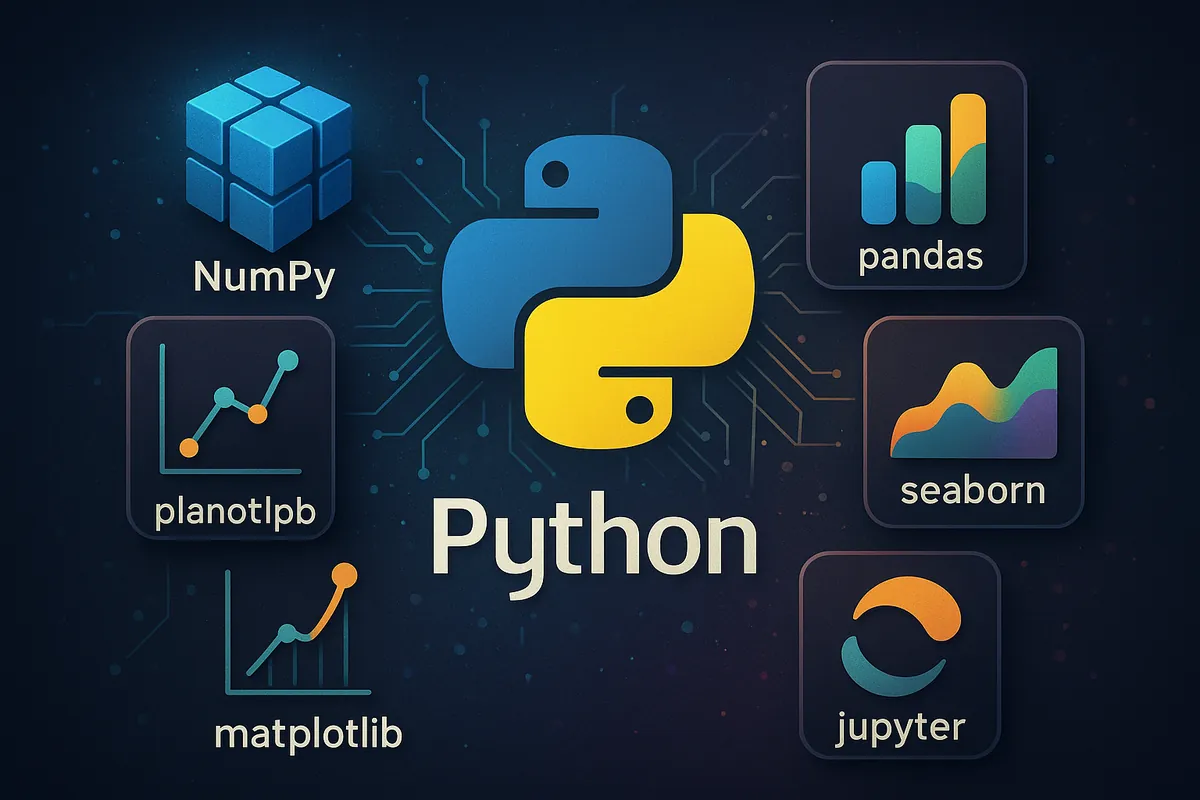
Python for Data Science: One CSV, Three Libraries, One Question
Use pandas, NumPy, and Matplotlib to investigate delivery delays without turning a small analysis into a framework collection.

Regression Metrics: When MAE and RMSE Pick Different Models
MAE and RMSE disagree for a reason. A three-prediction example makes that reason visible, then puts R-squared in context.

Classification Metrics: 95.6% Accuracy, Yet Most Spam Warnings Are Wrong
One confusion matrix explains precision, recall, F1, and why a strong-looking accuracy score can describe a frustrating product.
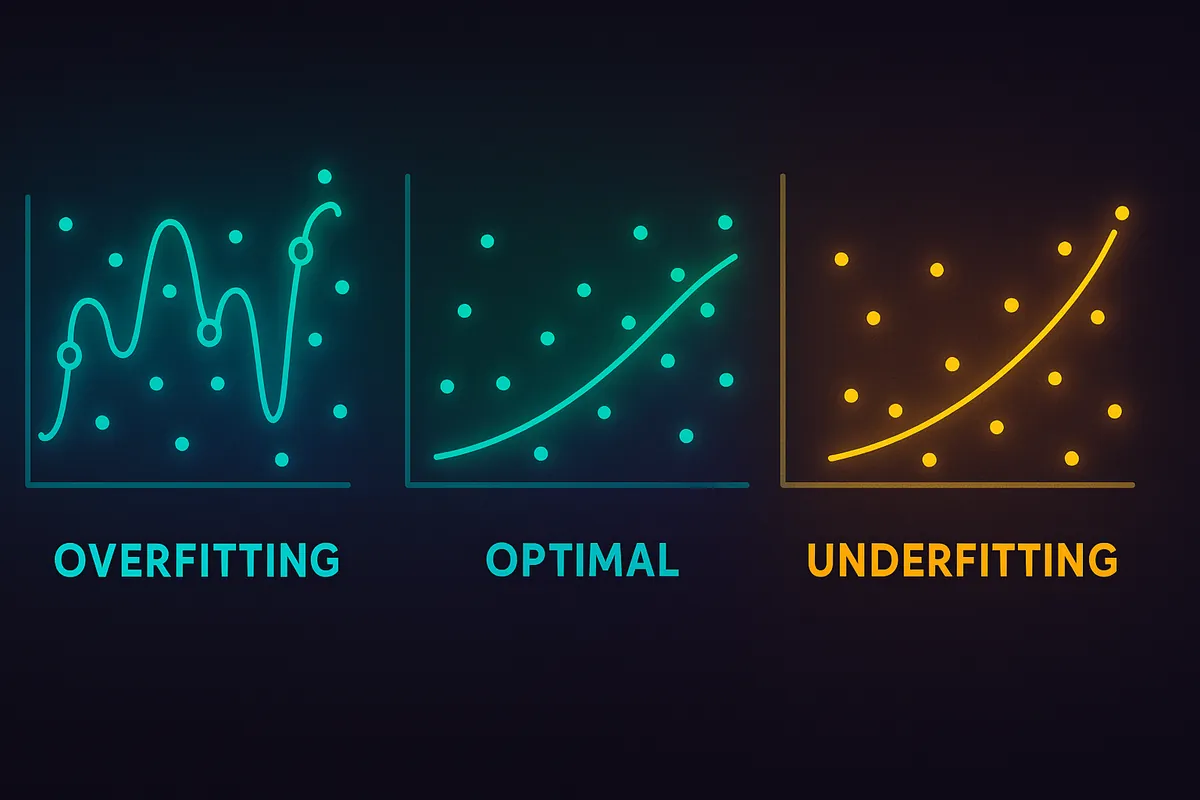
Overfitting vs. Underfitting: Reading Training and Validation Scores
Compare overfitting and underfitting through training and validation scores, then check data leakage, model capacity, and data quality before changing the model.
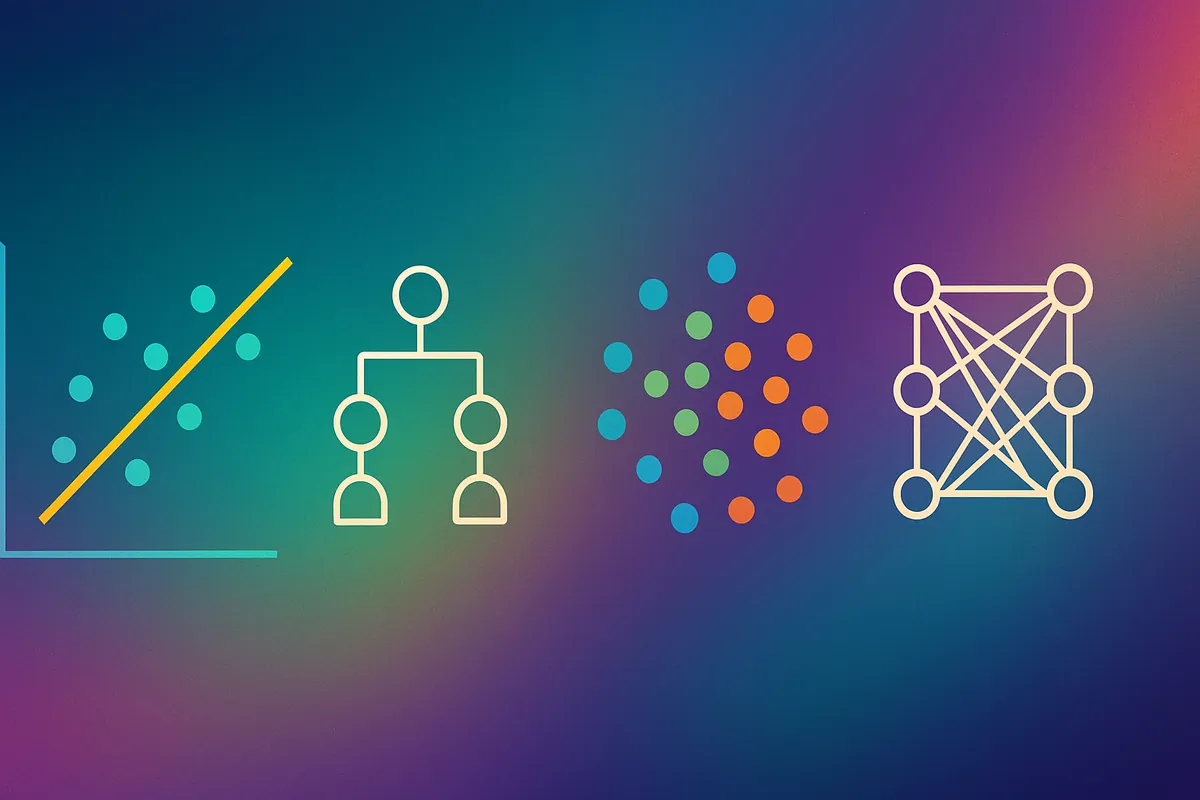
Choosing ML Algorithms: Build a Baseline Before Trying Six
A practical way to choose a machine-learning model: establish what a simple system achieves, then make complexity earn its place.

Unsupervised Learning: Your Clusters May Be Real, Their Names Are Your Invention
Unsupervised learning can reveal structure, but the distance measure, input scale, and interpretation still come from us.
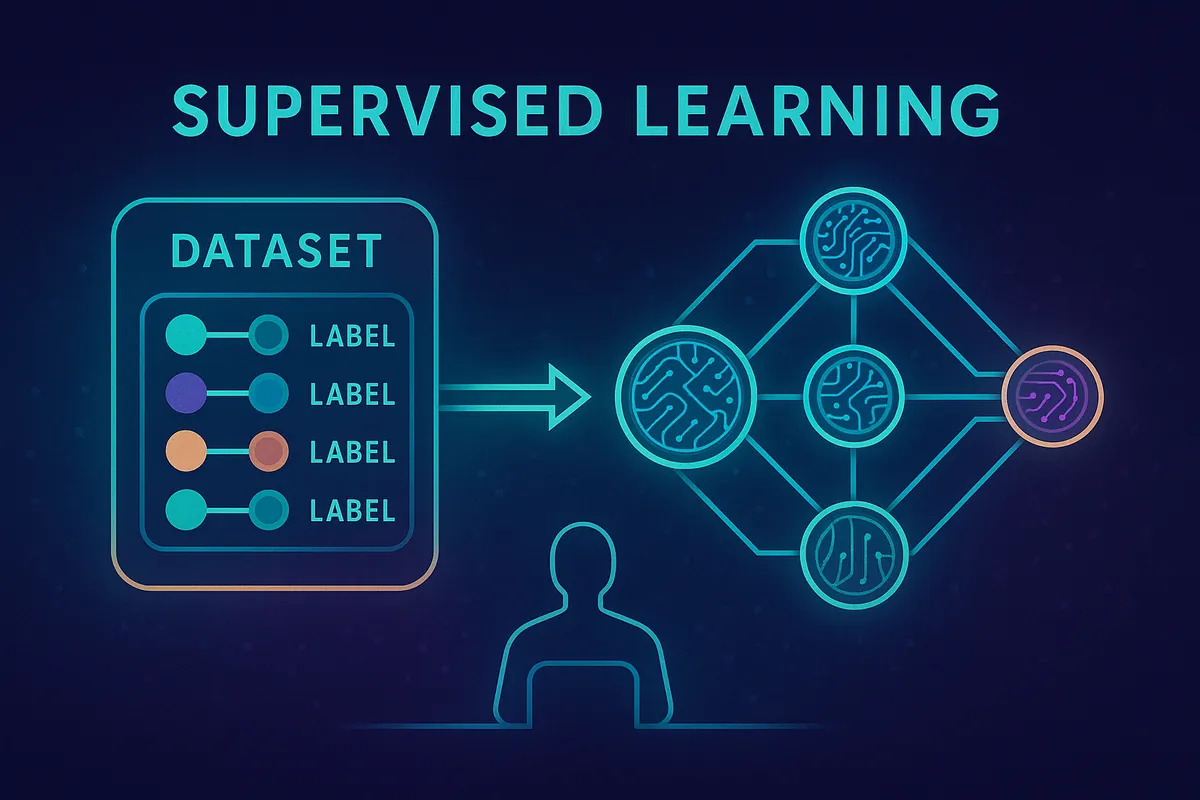
Supervised Learning with Labeled Data: Who Decides the Correct Answer?
Supervised learning depends on labeled examples. The difficult part is often deciding what those labels should mean.
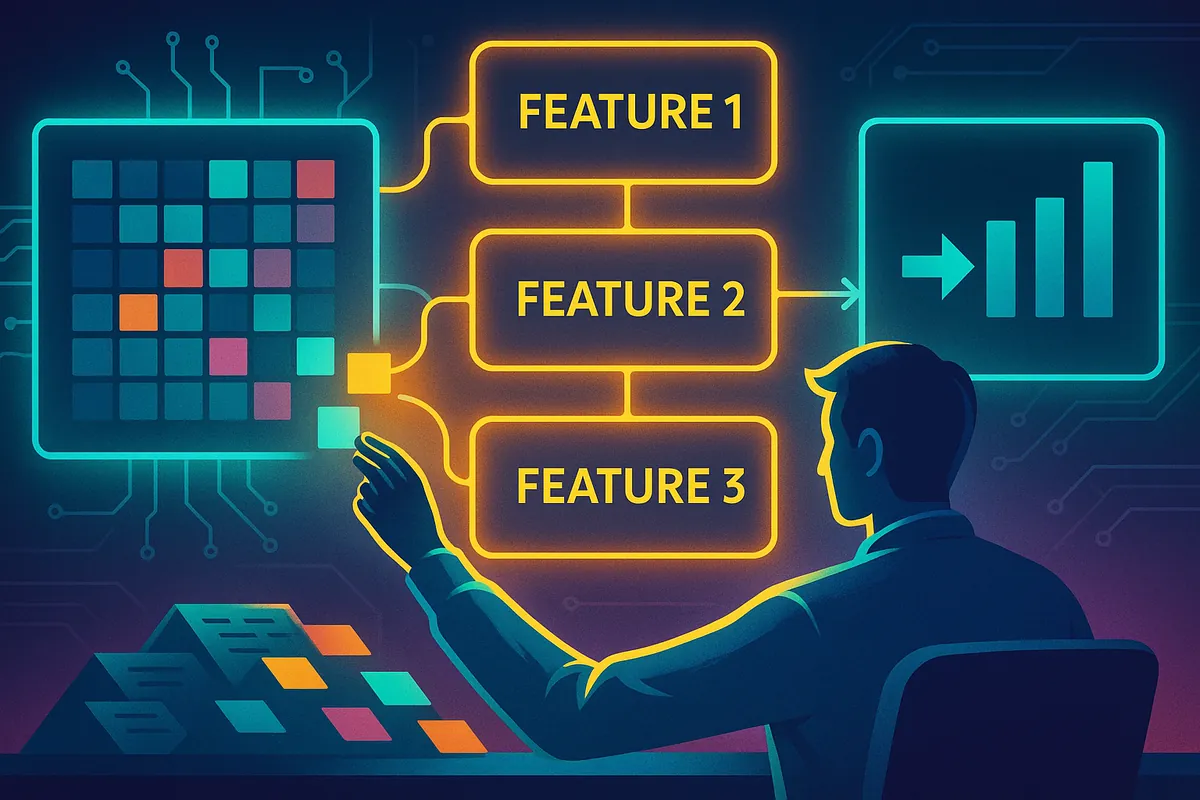
Feature Engineering: Your Best Feature Might Come from the Future
A delivery predictor explains why feature availability matters more than an impressive validation score.
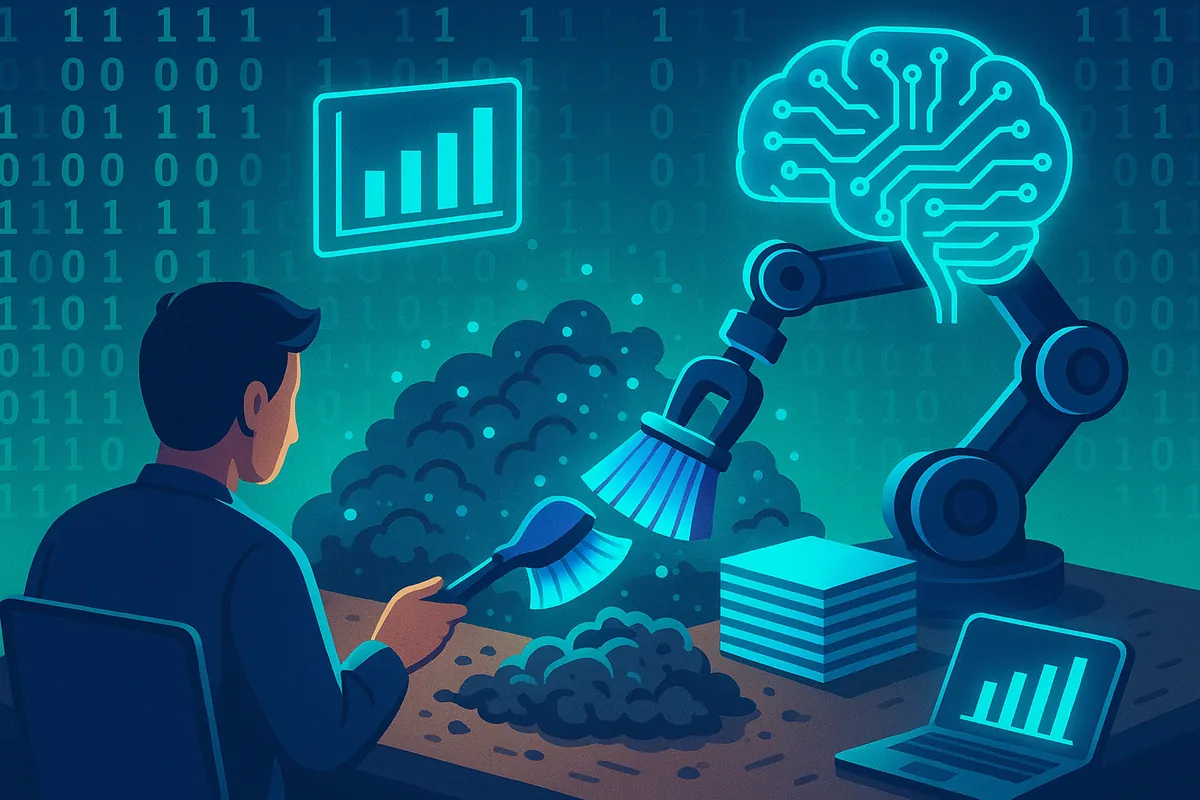
Data Cleaning for ML: The Rows You Delete Are a Decision
Missing values, duplicates, and outliers are not interchangeable defects. A small delivery table shows why cleaning needs context.
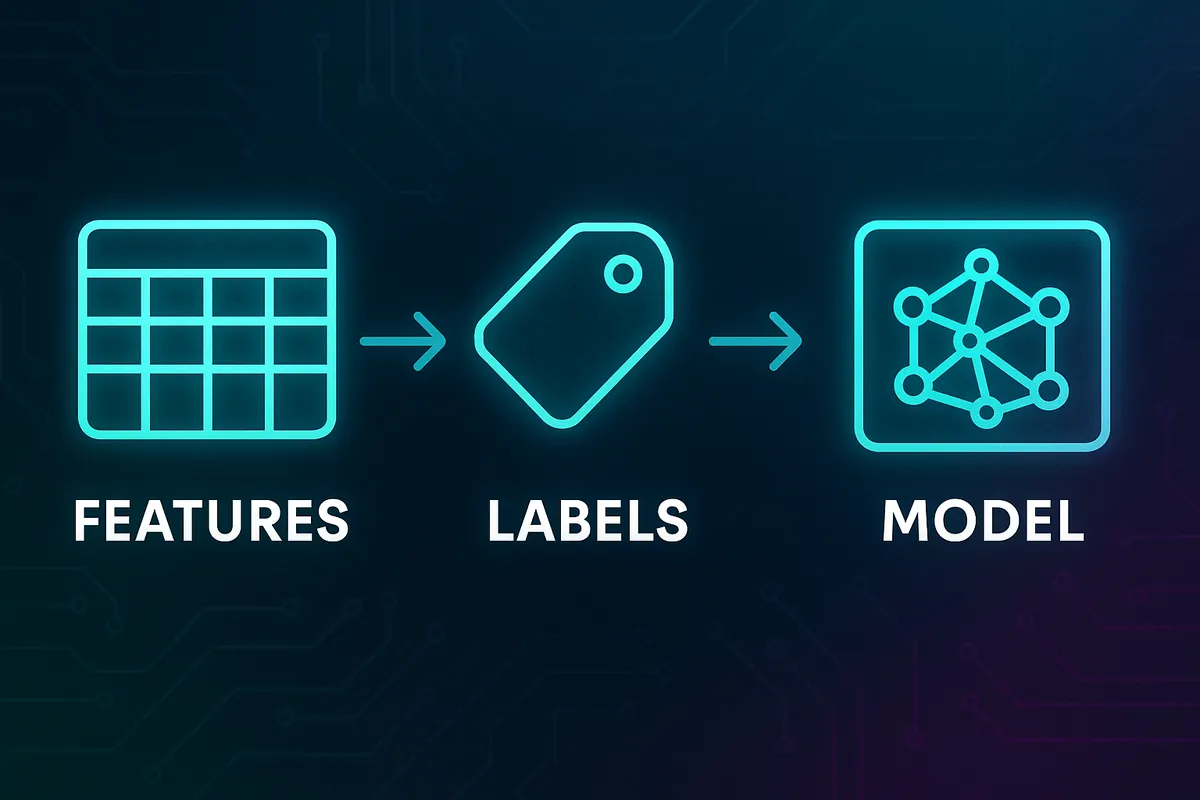
Features, Labels, and Models: One Order at Two Moments
Features, labels, and models explained through a delivery prediction—and the timestamp that makes the example work.
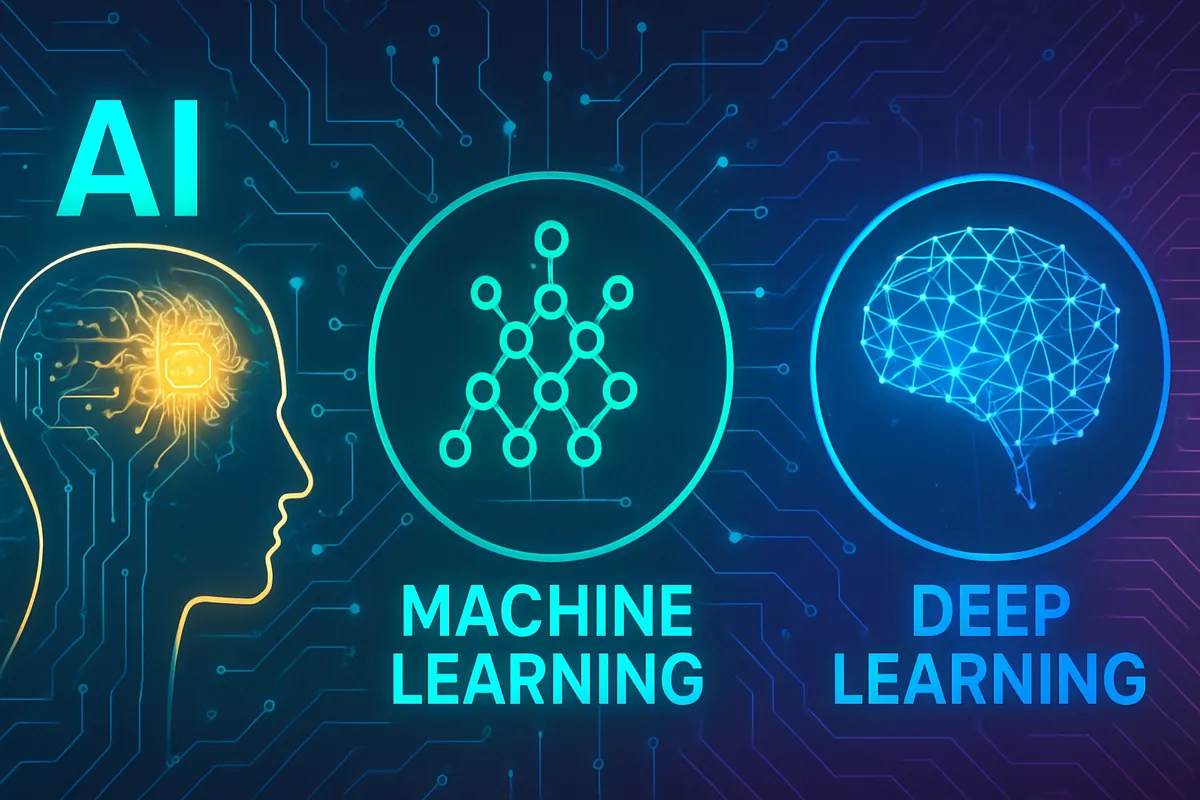
AI vs. Machine Learning vs. Deep Learning: One Spam Filter, Three Approaches
See how rules, machine learning, and deep learning handle the same spam-filtering task and where each approach fits within AI.
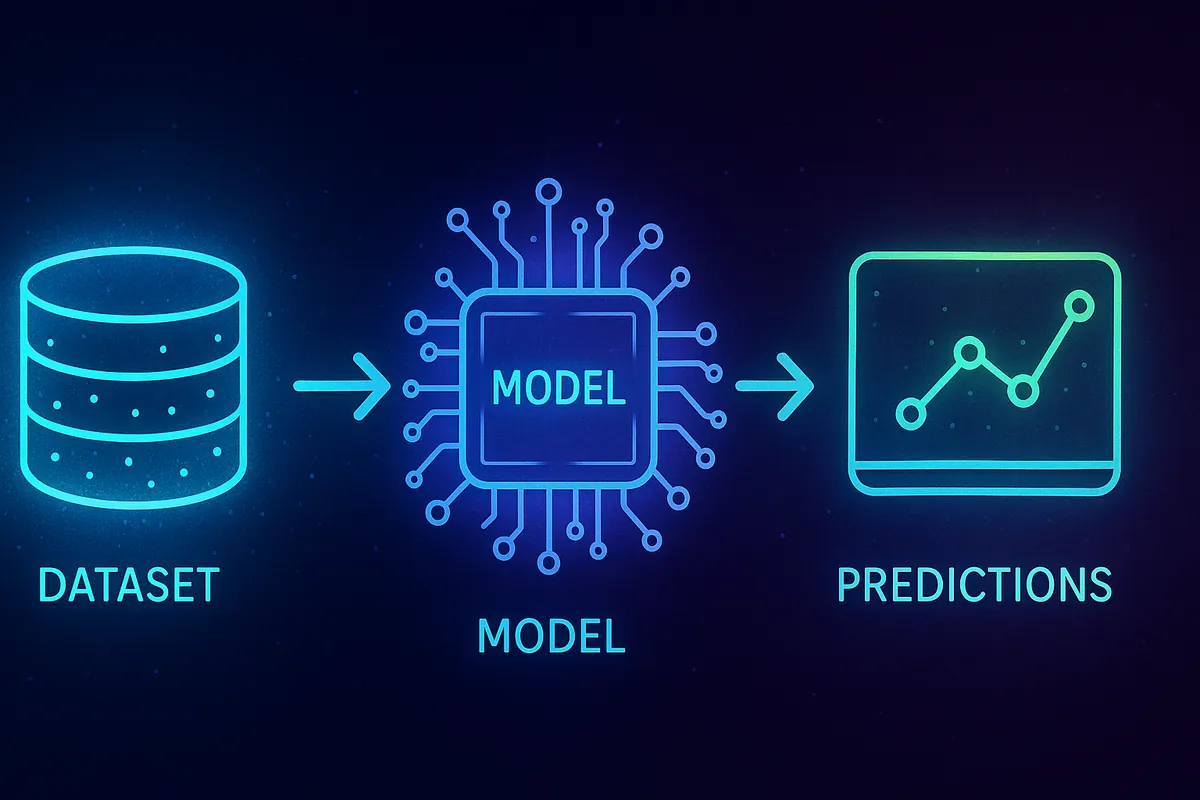
What Is Machine Learning? When Writing Another Rule Stops Working
Learn what machine learning changes by following a spam filter from handwritten rules to patterns learned from examples.
What Does a Data Scientist Do? Sometimes Decide No Model Is Needed
A churn investigation shows what data scientists actually do: define the question, challenge the measurement, and decide whether prediction would help.